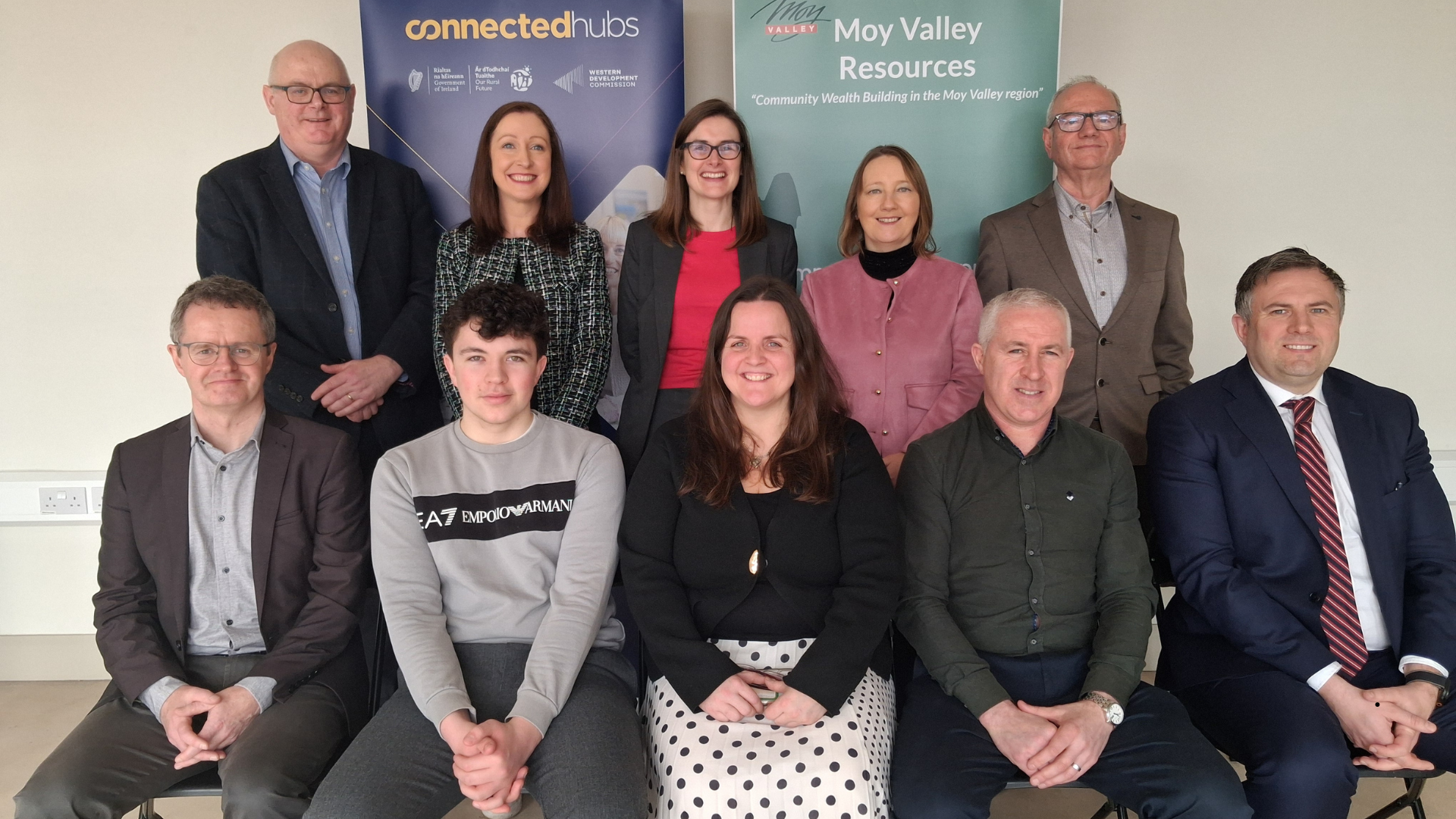
Business owners, entrepreneurs and remote workers gathered in IQ Ballina this week for an Ideas Over Coffee session focused on shaping future business supports across the region.
Delivered as part of a pilot initiative by Connected Hubs / Western Development Commission, Local Enterprise Office Mayo, in collaboration with IQ Ballina, Moy Valley Resources and Ballina Chamber, the session brought together participants for an open discussion on the real challenges facing businesses.
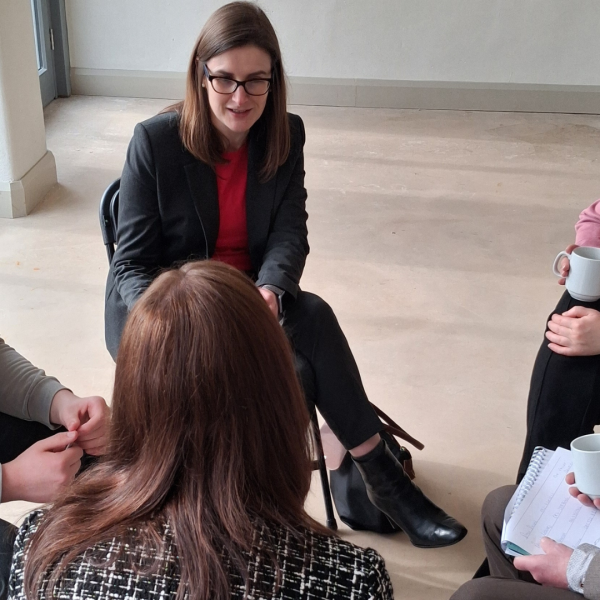
Rather than a traditional presentation, the session followed a conversation-led format where participants set the agenda. Attendees shared experiences, challenges and ideas that will directly inform future mentoring, training and management development supports.
Engagement throughout the session was strong, with participants actively contributing and engaging in discussion.
Key themes from the discussion
Several important topics emerged during the conversation:
Digitisation and AI
Businesses highlighted the growing importance of digital tools and artificial intelligence, alongside the need for practical supports to help them adopt and use these technologies effectively.
Navigating funding programmes
Participants discussed the complexity of the funding landscape and the need for clearer guidance on what supports are available and how to access them. Access to practical, tailored advice on funding options was identified as a key requirement.
Strengthening networking opportunities
While networking featured less prominently than in other sessions in the pilot programme, there was still recognition of its importance, particularly in building relationships and sharing knowledge locally.
Challenges and opportunities identified
The discussion also highlighted a number of broader structural and operational challenges facing businesses:
- Transport and connectivity: Sustainable travel and public transport were raised as ongoing issues, with implications for employee retention and work-life balance.
- Access to funding: A gap remains between available supports and some businesses’ understanding of how to access them.
- Skills and training: Demand for practical training was evident, particularly in communication, data use and business development.
- Use of hubs: Participants explored the potential role of hubs in supporting business growth, collaboration and remote working.
There was also discussion around opportunities to better connect education and enterprise, including exposing students to hubs and evolving career pathways such as apprenticeships.
Key concerns for businesses
Participants identified several ongoing concerns impacting their operations:
- Cybersecurity risks
- GDPR and compliance requirements
- Recruitment challenges, particularly in sectors with high training and compliance demands
- Operational resilience and the need for alternative workspaces
- Difficulties in managing and using business data effectively
A bottom-up approach to shaping supports
The Ideas Over Coffee format continues to demonstrate the value of creating space for open, peer-led discussion. By allowing participants to shape the conversation, the session generated practical, experience-based insights that will inform future supports.
The insights from Ballina and sessions in the other pilot locations will help build a clearer picture of business needs across regions.
With strong engagement and honest discussion, the session reinforced the importance of a bottom-up approach to designing supports that are relevant, accessible and grounded in real business experience.